
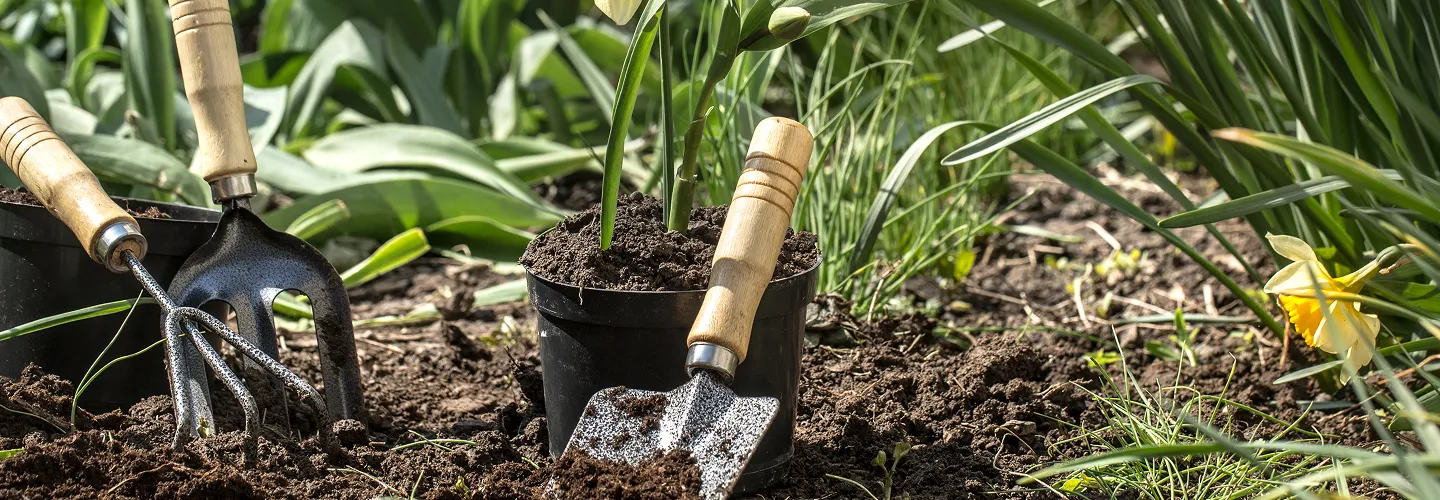
Grantville Flower Planting Services
Choose our flower planting services for vibrant, healthy blooms that enhance your home's curb appeal and create a welcoming outdoor space, all handled by experienced professionals who care about your satisfaction.
Get a Free QuoteOur Grantville Landscaping & Yard Care Services
When to Schedule Flower Planting in Grantville, Georgia – Seasonal Guide
In Grantville, Georgia, the best times for flower planting are closely tied to our region’s unique climate and landscape. With mild winters and warm, humid summers, most residents find early spring (late March to mid-April) and early fall (late September to October) to be ideal for establishing vibrant flower beds. These periods allow new plantings to take root before the intense summer heat or the occasional winter frost. Neighborhoods near the Grantville Historic District and along Lone Oak Road often experience microclimates due to varying shade from mature trees and proximity to open fields, which can influence planting schedules.
Local environmental factors play a significant role in determining the optimal planting window. For example, areas near the Coweta County line may have slightly different soil compositions, while properties closer to the Grantville City Park benefit from increased shade coverage. It’s also important to consider the average last frost date, typically in early April, and the potential for late-spring droughts. For more detailed local climate data, you can consult resources like the Sudbury municipal site.
Benefits of Flower Planting in Grantville
Expert Landscaping Knowledge
Customized Plant Selection
Enhanced Curb Appeal
Seasonal Color Planning
Eco-Friendly Practices
Reliable Maintenance Services
Grantville Flower Planting Types

Perennial Flower Beds
-
Annual Flower Displays
-
Native Wildflower Gardens
-
Seasonal Bulb Planting
-
Pollinator-Friendly Plantings
-
Shade Garden Flowers
-
Drought-Tolerant Flower Beds
Our Flower Planting Process
Site Evaluation
Soil Preparation
Flower Selection
Planting
Watering and Mulching
Why Choose Grantville Landscape Services
-
Grantville Homeowners Trust Us
-
Expert Lawn Maintenance
-
Reliable Scheduling
-
Competitive Pricing
-
Professional Team
-
Satisfaction Guarantee
-
Personalized Service
Grantville's Piedmont Red Clay Soils and Flower Bed Preparation Requirements
Grantville sits within the western Piedmont region of Georgia, where Cecil and Pacolet soil series predominate. These soils are characterized by heavy red clay subsoils, acidic pH levels typically ranging from 4.5 to 5.8, and poor internal drainage when compacted. Before planting flowers, property owners should address these conditions through targeted bed preparation. The USDA Web Soil Survey confirms that Coweta County soils in the Grantville area frequently exhibit slow permeability below the topsoil horizon. Recommended preparation steps include:
- Amending beds with 3–4 inches of composted organic matter tilled to a depth of 8–10 inches
- Testing soil pH through the UGA Cooperative Extension county office and applying lime if pH falls below 5.5
- Incorporating coarse pine bark fines to improve drainage in compacted clay beds
- Avoiding planting in areas where standing water persists more than 24 hours after rainfall
Grantville falls within USDA Hardiness Zone 8a, supporting a wide range of warm-season annuals and perennials suited to the region's long growing season.
Optimal Flower Planting Windows for Grantville's Extended Growing Season
Grantville's climate, influenced by its position in the lower Piedmont, provides a growing season that typically extends from mid-March through early November. The National Weather Service Peachtree City office reports that the average last spring frost date for this area falls near mid-March, while the first fall frost generally occurs in early to mid-November. These benchmarks guide planting schedules for both annuals and perennials:
- Cool-season annuals (pansies, violas, snapdragons): Plant from late October through early December for winter and early spring color
- Warm-season annuals (zinnias, lantana, pentas, begonias): Install after the last frost date, typically mid-March through May
- Perennials (coneflower, black-eyed Susan, salvia, daylily): Plant in early spring (March–April) or early fall (September–October) to allow root establishment before temperature extremes
- Summer bulbs (caladium, gladiolus): Plant after soil temperatures reach 65°F, usually by late April in Grantville
Residents should monitor local frost advisories and avoid planting tender annuals during late cold snaps, which can occur into early April in some years.
How Grantville's Stormwater Infrastructure Affects Flower Bed Placement and Mulching
Flower planting projects near drainage ditches, stormwater inlets, and low-lying areas within Grantville require careful attention to runoff management. The City of Grantville's Public Works Department oversees stormwater infrastructure, including roadside ditches and conveyance systems that direct runoff toward local creeks and tributaries within the broader Chattahoochee River watershed. The Georgia EPD Watershed Protection Branch establishes water quality standards that apply to all municipal stormwater discharges under the EPA NPDES Program. Property owners should observe the following practices when planting flowers near drainage features:
- Maintain a minimum 10-foot vegetated buffer between flower beds and stormwater ditches or inlets
- Use 2–3 inches of shredded hardwood or pine straw mulch to reduce soil erosion from beds during heavy rain events
- Avoid piling excess soil, mulch, or planting debris near storm drain openings
- Direct irrigation runoff away from impervious surfaces and toward permeable lawn or garden areas
Verify current stormwater management requirements with Grantville Public Works before modifying grading or drainage patterns adjacent to flower beds.
Grantville Public Works
P.O. Box 400, Grantville, GA 30220
Phone: (770) 583-2195
Official Website: Grantville Public Works
Selecting Heat- and Humidity-Tolerant Flower Species for Grantville Landscapes
Grantville's summers bring sustained temperatures above 90°F and high relative humidity from June through September, creating conditions that favor fungal disease and heat stress in many ornamental species. Plant selection should prioritize proven performers for USDA Zone 8a and the Piedmont's clay-heavy soils. The UGA Cooperative Extension recommends the following species categories for reliable performance in this region:
- Full-sun annuals: Lantana, pentas, vinca (Catharanthus roseus), zinnias (Profusion series), and angelonia tolerate Grantville's heat and humidity with minimal disease pressure
- Shade-tolerant annuals: Impatiens (New Guinea types for downy mildew resistance), coleus, and caladiums perform well under mature hardwood canopy common on older Grantville lots
- Native perennials: Purple coneflower (Echinacea purpurea), butterfly weed (Asclepias tuberosa), and coral honeysuckle (Lonicera sempervirens) support pollinators and require minimal supplemental irrigation once established
- Deer-resistant options: Salvia, rosemary, and lantana are advisable in areas bordering wooded corridors where deer browse pressure is common
Avoid species prone to powdery mildew or root rot in heavy clay, such as traditional garden phlox or English lavender, unless beds are significantly amended for drainage.
Grantville Code Compliance and Frontage Flower Bed Maintenance Standards
Property owners in Grantville should be aware that flower beds visible from public rights-of-way are subject to the city's property maintenance and code enforcement standards. Overgrown, neglected, or debris-filled planting areas along street frontages may trigger a compliance review by Grantville Code Enforcement. Maintaining flower beds in a manner consistent with community standards involves several practical considerations:
- Keep bed edges defined and free of encroachment onto sidewalks, driveways, or public rights-of-way
- Remove dead plant material, spent annuals, and accumulated debris promptly at the end of each growing season
- Ensure plantings do not obstruct sightlines at intersections, driveways, or street corners—generally maintaining vegetation below 30 inches in height within sight triangles
- Confirm that any structural elements such as raised bed walls, edging, or decorative borders within setback areas comply with local zoning provisions
For questions regarding setback requirements or permitted structures within front-yard planting areas, property owners may consult the Grantville Planning and Zoning Commission.
Grantville Code Enforcement
P.O. Box 400, Grantville, GA 30220
Phone: (770) 583-2195
Official Website: Grantville Code Enforcement
Grantville Planning & Zoning Commission
P.O. Box 400, Grantville, GA 30220
Phone: (770) 583-2195
Official Website: Grantville Planning & Zoning Commission
What Neighborhoods Do We Serve Throughout Grantville, GA?
- Downtown Grantville Historic District: Older residential lots with mature hardwood canopy, compacted clay soils, and narrow setbacks that require careful bed sizing and shade-tolerant flower selections. Properties in this area may be subject to additional review for visible landscape modifications.
- Collinsworth Road Area: Rural-residential parcels with larger lot sizes, full-sun exposure, and heavier clay soils that benefit from deep bed amendment and drought-tolerant perennial plantings.
- Bohannon Road Corridor: Mixed-age properties near wooded edges where deer browse pressure and partial shade influence flower species selection. Pine straw mulch is commonly used to manage acidic soil conditions.
- Grantville Railroad Corridor Vicinity: Properties adjacent to the historic rail corridor often feature compacted fill soils and limited topsoil depth, requiring raised bed construction or significant organic amendment before planting.
- Highway 29 Frontage Properties: Commercial and residential lots along this corridor face higher visibility and code compliance expectations for frontage plantings, along with increased heat exposure from adjacent pavement.
- Moreland-Grantville Road Neighborhoods: Transitional lots between Grantville and surrounding Coweta County with variable drainage patterns and mixed sun exposure, suited to adaptable native perennials and seasonal annuals.